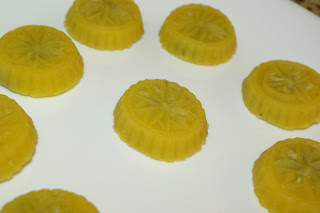
Medicinal Action and Uses of Jujube Fruit.
Medicinal Action and Uses of Jujube Fruit.
The Jujube is classed with the raisin, date, and fig as a pectoral fruit, being nutritive and demulcent. It is eaten both fresh and dried.

A syrup and a tisane were formerly made from it, but the berries are now little used in medicine.
Jujube paste, or 'Pate de Jujubes,' is made of gum-arabic and sugar. It may be dissolved in a decoction of jujubes and evaporated, but is considered as good a demulcentwithout their addition. It is frequently merely mixed with orange-flower water.
A decoction of the roots has been used in fevers.
Key Actions:
aids in weight management
antiallergenic
improves stamina and strength
mildly sedating
strengthens liver function
stimulates immune system
tonic
Anodyne; Antidote; Astringent; Cancer; Diuretic; Emollient; Expectorant; Hypnotic; Narcotic; Pectoral; Poultice; Refrigerant; Sedative; Skin; Stomachic; Tonic.
Jujube helps to efficiently get the energy from food. It also gives energy and has an emotionally calming effect.
Pharmacology:
 Anti-aging effects:Experiments show that Da Zao has an inhibitory effect on the activity of monoamine oxidase-B (MAO-B) in mice.
Anti-tumor effects:Administering to mice for 14 consecutive days, Da Zao(Jujube Fruit) can inhibit sarcoma-180 (S180) with a 61% inhibition rate.
Anti-inflammatory effects:Extracts of Da Zao(Jujube Fruit) leaves can significantly inhibit dimethylbenzene-induced auricular inflammation in mice, egg white-induced toe swelling, and cotton ball-induced granulation tissue proliferation in rats.
Astringent and Febrifuge:The leaves are astringent and febrifuge. They are said to promote the growth of hair. They are used to form a plaster in the treatment of strangury.
Anodyne, anticancer, pectoral, refrigerant, sedative, stomachic, styptic and tonic:The dried fruits(Jujube Fruit) are anodyne, anticancer, pectoral, refrigerant, sedative, stomachic, styptic and tonic.They are considered to purify the blood and aid digestion.They are used internally in the treatment of chronic fatigue, loss of appetite, diarrhea, anemia, irritability and hysteria. The fruit strengthens the liver and is used by Chinese Practitioners for hepatitis and cirrhosis.
Counteracting mutation:Experiments show that oral administration of Da Zao(Jujube Fruit) decoction can significantly inhibit cyclophosphamide-induced increase in sister chromatid exchange (SCE), indicating that Da Zao(Jujube Fruit) has an anti-mutation effect.
Counteracting allergic reaction:Da Zao(Jujube Fruit) solution can suppress the release of leukotrien D4 by basophilic white blood cells in human peripheral blood.
Counteracting leukemia:Experiments show that water-based extract of Da Zao(Jujube Fruit) has a significant suppressive effect on the proliferation and colony formation of human leukemia K562 cells.
Effects on the cardiovascular system:Da Zao(Jujube Fruit) has a protective effect on experimental cardiac ischemia in rats. It can significantly increase the subjects' tolerance for oxygen deprivation, counteract various experimental cardiac arrhythmia, suppress platelet aggregation and affect the subjects' hemodynamics and blood rheology, and enhance rats' humoral and cell-mediated immune functions.
Effects on the phagocytosis of peritoneal macrophage:In-vivo experiments show that Hong Zao(Da Zao)(Jujube Fruit) can increase the phagocytosis of mice's mononuclear-phagocyte system.
Nutritive qualities:The ancient claims about its extraordinary nutritive qualities may reflect two aspects of jujube: first, persons who were especially weak and unable to eat ordinarily might find the mild and sweet taste of jujube acceptable and at least get some calories (e.g., about 40, still very little) and a small amount of protein, especially valuable if jujube was added to a nutritional dish to make it more palatable; second, persons who did not have much fruit in their diet might have had a low vitamin C level, which could be corrected with a relatively small quantity of jujube fruit or its extract.
Muscular strength and Increases Stamina:Jujube is both a delicious fruit and an effective herbal remedy. It improves muscular strength and increases stamina. In Chinese medicine it is prescribed as a tonic to strengthen liver function. In one clinical trial in China 12 patients with liver complaints were given jujube, peanuts and brown sugar nightly. In four weeks their liver function had improved.

Strengthening effect:Fed to mice for 21 consecutive days, Da Zao decoction can significantly increase the subjects' body weight and swimming capacities.
Seed:The seed is hypnotic, narcotic, sedative, stomachic and tonic. It is used internally in the treatment of palpitations, insomnia, nervous exhaustion, pain, night sweats and excessive perspiration. Also used to improve skin color and tone.
Root:The root is used in the treatment of dyspepsia. A decoction of the root has been used in the treatment of fevers. The root is made into a powder and applied to old wounds and ulcers. It is used for.
Other Medicine Uses:The jujube is a remedy for anemia, hypertonia, nephritis and nervous diseases.The fruit will impart energy without nervousness. Described as a calm energy.The plant is widely used in China as a treatment for burns.The fruits are used in Chinese traditional medicine, where they are believed to alleviate stress. The fruit is ground to powder, with very small amounts required to promptly calm nerves and purify blood quality.Ziziphin, a compound in the leaves of the jujube, suppresses the ability to perceive sweet taste in humans. The fruit, being mucilaginous, is also very soothing to the throat and decoctions of jujube have often been used in pharmacy to treat sore throats.
Culinary use:The dried fruitsIn addition to their medicinal use, the candied dried fruits are often eaten as a snack, or with tea. They are available either red or black (called hong zao or hei zao, respectively, in Chinese), the latter being smoked to enhance their flavour. In China, , a sweetened tea syrup containing jujube fruits is available in glass jars,photo and canned jujube tea or jujube tea in the form of teabags is also available. Although not widely available, jujube juice and jujube vinegar are also produced.
In China, a wine made from jujubes called hong zao jiu is also produced.Jujubes are sometimes preserved by storing in a jar filled with baijiu (Chinese liquor), which allows them to be kept fresh for a long time, especially through the winter. Such jujubes are called jiu zao(literally "spirited jujube").
Other uses:The jujube's sweet smell is said to make teenagers fall in love, and as a result, in the Himalaya and Karakoram regions, men take a stem of sweet smelling jujube flowers with them or put it on their hats to attract the opposite sex.
Up.
Modern Medical Research:
Antioxidants:Jujube Fruit has the highest level of Antioxidants.Considerable laboratory evidence from chemical, cell culture, and animal studies indicates that antioxidants may slow or possibly prevent the development of cancer.
Adaptogen and Increase Nitric Oxide levels:Zizyphys jujube (synonyms Z. sativa, Z. vulgaris) - jujube, Chinese jujube, red date or Chinese date(Jujube Fruit), have long been grown for their excellent fruit. Natives to Asia where there are many cultivars grown for fruit. However, it has become naturalized in many other warm temperate regions. It was brought into the Mediterranean in ancient Roman times. In China it has the reputation of one of the five principal fruits. Zizyphys jujube fruit with amino acids increase and maintain the body's natural nitric oxide levels. Zizyphys jujube acts as an adaptogen by encouraging normal functioning of the adrenal glands, allowing them to function optimally when challenged by stress. Zizyphys jujube has been shown to enhance mental acuity and physical endurance without the letdown that comes with caffeinated products. Research has shown that Zizyphys jujube improves the use of oxygen by the exercising muscle. This means that a person is able to maintain exercise longer and recovery from workouts is much quicker.
Anti-inflammatory:Betulinic acid has been reported also to possess anti-inflammatory activity. The anti-inflammatory activity of betulinic acid is, at least in part, due to its capacity to inhibit enzymes involved in leukotriene biosynthesis, including 5-lipoxygenase (Somatsu, S. et al., Skin and Urology 21: 138, 1959 and Inoue, H., et al., Chem Pharm Bull. 2: 897-901, 1986).
Treatment of Cancer:Betulinic Acid is abundently found in the Jujube Fruit.Betulinic acid is known to exert its anti-melanoma activity by causing apoptosis (programmed cell death). Apoptosis culminates in the fragmentation of the cellular DNA which can be detected by using monoclonal antibodies to the fragmented DNA (mono and polyoligonucleosomes). Apoptosis may be used as an indicator for specific cytotoxicity of the test compound. Apoptosis was investigated as a probable (or one of the probable) mechanisms of action of betulinic acid for killing leukemia cells (MOLT-4). Betulinic acid is isolated by methods known in the art comprising the steps of preparing an extract from the of Ziziphus jujuba Mill. (Rhamnaceae), or Ziziphus mauritiana Lam (Rhamnaceae).
There are several patents that relates to an orally effective herbal extract-based composition having broad-spectrum anticancer activity, more specifically a method of treating, inhibiting and/or preventing malignant tumors of the colon, intestine, stomach, breast, melanoma, glioblastoma, lung, cervix, ovary, prostate, oral cavity, larynx, liver, pancreas, kidney, bladder, endothelial cells, leukemia and myeloma using a herbal extract of Zizyphus, rich in betulinic acid. An advantage of the extract is that the betulinic acid has low systemic toxicity. The extract inhibits Protein Kinase C activity of cancer cells and induces apoptosis.
 Although originally thought to exhibit specific cytotoxicity against melanoma cells, this agent has been found to be cytotoxic against non-melanoma tumor cell types including neuroectodermal.and brain tumor cells.
Treatment of HIV:Betulinic acid and dihydrobetulinic acid acyl derivatives have been found to have potent anti-HIV activity (WO 96/39033). Anti-HIV assays indicated that 3-O-(3', 3'-diimethylsuccinyl)-betulinic acid and dihydrobetulinic acid both demonstrated extremely potent anti-HIV activity in acutely infected H9 lymphocytes with EC.sub.50 values of less than 1.7.times.10.sup.-5 .mu.M, respectively.
Intercellular Communication:Inter-Cellular Communication within the human body relies on the two messenger molecules, cGMP and cAMP; responsible for pretty much EVERY SINGLE process that takes place in the body. the Jujube fruit has one the highest concentration of cGMP and cAMP of anything -- plant or animal -- known to man. A multitude of interesting health benefits result from better inter-cellular communication.
Jujube fruit features in revitalizing skin care products:A US firm has launched a new range of products containing the popular Chinese fruit jujube, which is believed to slow down the aging process.
The jujube fruit, which originated in China more than 4,000 years ago, is believed to invigorate the body, increase metabolism, give strength to the heart and slow down the aging process. In China, it is considered a daily dietary must.And with its high levels of vitamins and nutrients, it is no surprise that the cosmetics industry has picked up on the fruit as a functional ingredient for natural cosmetics products.
"Rich in calcium, protein, and Vitamins C, B1, B2 and A, the wonder-fruit not only works miracles from the inside, but its reparative nutrients deliver intense moisture, nourishment and protection to the skin as well," said Boscia.
A small, edible fruit from Asia, Jujube is believed to encourage cell turnover, improve elasticity and firmness of skin, and reduce the appearance of scars and stretch marks.
Indeed, according to market researcher Mintel's Global New Products Database (GNPD), around 30 new cosmetics products containing jujube ingredients have been launched globally in recent years.The ingredient has been used in skincare, haircare, cosmetics and soap and bath and shower products, with the majority- 22 products- in skincare.The new line by Boscia, which is also fortified with amino acids, includes a body wash and a body cream. Their suggested retail prices are $22 and $30 respectively.
Up.
More Applications and Uses:
Enhances cellular communication.
Combats cellular damage from free radicals.
Eases sore throats.
Nourishes the blood.
Aids in digestion.
Supports liver and spleen function.
Detoxifies the body.
Calms the mind.
Moderates nervousness.
Helps to overcome fatigue and weakness.
Speeds recovery from illness.
Inhibits gastrointestinal infections.
Soothes the stomach.
Provides energy.
Enhances metabolism.
Supports cardiovascular health.
Strengthens blood vessels.
Provides relief from the heat.
Boosts Libido.
Destroys parasites in the intestinal tract.
Suppresses appetite.
Supports heart, lung and kidney health.
Enhances the immune system.
Slows the effects of premature aging.
Induces apoptosis in skin cancer cells.
Impedes tumor growth.
Assists weight loss.
Counters affects of poison.
Remedies boils and sores.
Relieves bronchitis.
Reduces fevers.
Acts as a diuretic.
Helps in extracting energy from food.
Alleviates allergies.
Facilitates sleep.
The Chinese have established over the centuries great herbal remedies for all parts of the jujube tree with more use for the dried fruit, which is said to improve liver problems and to dehydrate the body and sooth the vital organs of the body. The Chinese believe the jujube can cure coughs and the sore throat, and even eliminate influenza symptoms or solve breathing problems that result from the lungs. The continuous usage of jujube, according to the Chinese, will improve skin color and cure skin infections. Lastly, the Chinese believe that the jujube fruit will kill internal body and stomach parasites and worms. Very few plants or trees are revered and loved by the Chinese as the jujube tree for the naturalistic medical remedies that result from treatment with fruit and plant extracts from the Chinese jujube.

A syrup and a tisane were formerly made from it, but the berries are now little used in medicine.
Jujube paste, or 'Pate de Jujubes,' is made of gum-arabic and sugar. It may be dissolved in a decoction of jujubes and evaporated, but is considered as good a demulcentwithout their addition. It is frequently merely mixed with orange-flower water.
A decoction of the roots has been used in fevers.
Key Actions:
aids in weight management
antiallergenic
improves stamina and strength
mildly sedating
strengthens liver function
stimulates immune system
tonic
Anodyne; Antidote; Astringent; Cancer; Diuretic; Emollient; Expectorant; Hypnotic; Narcotic; Pectoral; Poultice; Refrigerant; Sedative; Skin; Stomachic; Tonic.
Jujube helps to efficiently get the energy from food. It also gives energy and has an emotionally calming effect.
Pharmacology:

Anti-tumor effects:Administering to mice for 14 consecutive days, Da Zao(Jujube Fruit) can inhibit sarcoma-180 (S180) with a 61% inhibition rate.
Anti-inflammatory effects:Extracts of Da Zao(Jujube Fruit) leaves can significantly inhibit dimethylbenzene-induced auricular inflammation in mice, egg white-induced toe swelling, and cotton ball-induced granulation tissue proliferation in rats.
Astringent and Febrifuge:The leaves are astringent and febrifuge. They are said to promote the growth of hair. They are used to form a plaster in the treatment of strangury.
Anodyne, anticancer, pectoral, refrigerant, sedative, stomachic, styptic and tonic:The dried fruits(Jujube Fruit) are anodyne, anticancer, pectoral, refrigerant, sedative, stomachic, styptic and tonic.They are considered to purify the blood and aid digestion.They are used internally in the treatment of chronic fatigue, loss of appetite, diarrhea, anemia, irritability and hysteria. The fruit strengthens the liver and is used by Chinese Practitioners for hepatitis and cirrhosis.
Counteracting mutation:Experiments show that oral administration of Da Zao(Jujube Fruit) decoction can significantly inhibit cyclophosphamide-induced increase in sister chromatid exchange (SCE), indicating that Da Zao(Jujube Fruit) has an anti-mutation effect.
Counteracting allergic reaction:Da Zao(Jujube Fruit) solution can suppress the release of leukotrien D4 by basophilic white blood cells in human peripheral blood.
Counteracting leukemia:Experiments show that water-based extract of Da Zao(Jujube Fruit) has a significant suppressive effect on the proliferation and colony formation of human leukemia K562 cells.
Effects on the cardiovascular system:Da Zao(Jujube Fruit) has a protective effect on experimental cardiac ischemia in rats. It can significantly increase the subjects' tolerance for oxygen deprivation, counteract various experimental cardiac arrhythmia, suppress platelet aggregation and affect the subjects' hemodynamics and blood rheology, and enhance rats' humoral and cell-mediated immune functions.
Effects on the phagocytosis of peritoneal macrophage:In-vivo experiments show that Hong Zao(Da Zao)(Jujube Fruit) can increase the phagocytosis of mice's mononuclear-phagocyte system.
Nutritive qualities:The ancient claims about its extraordinary nutritive qualities may reflect two aspects of jujube: first, persons who were especially weak and unable to eat ordinarily might find the mild and sweet taste of jujube acceptable and at least get some calories (e.g., about 40, still very little) and a small amount of protein, especially valuable if jujube was added to a nutritional dish to make it more palatable; second, persons who did not have much fruit in their diet might have had a low vitamin C level, which could be corrected with a relatively small quantity of jujube fruit or its extract.
Muscular strength and Increases Stamina:Jujube is both a delicious fruit and an effective herbal remedy. It improves muscular strength and increases stamina. In Chinese medicine it is prescribed as a tonic to strengthen liver function. In one clinical trial in China 12 patients with liver complaints were given jujube, peanuts and brown sugar nightly. In four weeks their liver function had improved.

Strengthening effect:Fed to mice for 21 consecutive days, Da Zao decoction can significantly increase the subjects' body weight and swimming capacities.
Seed:The seed is hypnotic, narcotic, sedative, stomachic and tonic. It is used internally in the treatment of palpitations, insomnia, nervous exhaustion, pain, night sweats and excessive perspiration. Also used to improve skin color and tone.
Root:The root is used in the treatment of dyspepsia. A decoction of the root has been used in the treatment of fevers. The root is made into a powder and applied to old wounds and ulcers. It is used for.
Other Medicine Uses:The jujube is a remedy for anemia, hypertonia, nephritis and nervous diseases.The fruit will impart energy without nervousness. Described as a calm energy.The plant is widely used in China as a treatment for burns.The fruits are used in Chinese traditional medicine, where they are believed to alleviate stress. The fruit is ground to powder, with very small amounts required to promptly calm nerves and purify blood quality.Ziziphin, a compound in the leaves of the jujube, suppresses the ability to perceive sweet taste in humans. The fruit, being mucilaginous, is also very soothing to the throat and decoctions of jujube have often been used in pharmacy to treat sore throats.
Culinary use:The dried fruitsIn addition to their medicinal use, the candied dried fruits are often eaten as a snack, or with tea. They are available either red or black (called hong zao or hei zao, respectively, in Chinese), the latter being smoked to enhance their flavour. In China, , a sweetened tea syrup containing jujube fruits is available in glass jars,photo and canned jujube tea or jujube tea in the form of teabags is also available. Although not widely available, jujube juice and jujube vinegar are also produced.
In China, a wine made from jujubes called hong zao jiu is also produced.Jujubes are sometimes preserved by storing in a jar filled with baijiu (Chinese liquor), which allows them to be kept fresh for a long time, especially through the winter. Such jujubes are called jiu zao(literally "spirited jujube").
Other uses:The jujube's sweet smell is said to make teenagers fall in love, and as a result, in the Himalaya and Karakoram regions, men take a stem of sweet smelling jujube flowers with them or put it on their hats to attract the opposite sex.
Up.
Modern Medical Research:
Antioxidants:Jujube Fruit has the highest level of Antioxidants.Considerable laboratory evidence from chemical, cell culture, and animal studies indicates that antioxidants may slow or possibly prevent the development of cancer.
Adaptogen and Increase Nitric Oxide levels:Zizyphys jujube (synonyms Z. sativa, Z. vulgaris) - jujube, Chinese jujube, red date or Chinese date(Jujube Fruit), have long been grown for their excellent fruit. Natives to Asia where there are many cultivars grown for fruit. However, it has become naturalized in many other warm temperate regions. It was brought into the Mediterranean in ancient Roman times. In China it has the reputation of one of the five principal fruits. Zizyphys jujube fruit with amino acids increase and maintain the body's natural nitric oxide levels. Zizyphys jujube acts as an adaptogen by encouraging normal functioning of the adrenal glands, allowing them to function optimally when challenged by stress. Zizyphys jujube has been shown to enhance mental acuity and physical endurance without the letdown that comes with caffeinated products. Research has shown that Zizyphys jujube improves the use of oxygen by the exercising muscle. This means that a person is able to maintain exercise longer and recovery from workouts is much quicker.
Anti-inflammatory:Betulinic acid has been reported also to possess anti-inflammatory activity. The anti-inflammatory activity of betulinic acid is, at least in part, due to its capacity to inhibit enzymes involved in leukotriene biosynthesis, including 5-lipoxygenase (Somatsu, S. et al., Skin and Urology 21: 138, 1959 and Inoue, H., et al., Chem Pharm Bull. 2: 897-901, 1986).
Treatment of Cancer:Betulinic Acid is abundently found in the Jujube Fruit.Betulinic acid is known to exert its anti-melanoma activity by causing apoptosis (programmed cell death). Apoptosis culminates in the fragmentation of the cellular DNA which can be detected by using monoclonal antibodies to the fragmented DNA (mono and polyoligonucleosomes). Apoptosis may be used as an indicator for specific cytotoxicity of the test compound. Apoptosis was investigated as a probable (or one of the probable) mechanisms of action of betulinic acid for killing leukemia cells (MOLT-4). Betulinic acid is isolated by methods known in the art comprising the steps of preparing an extract from the of Ziziphus jujuba Mill. (Rhamnaceae), or Ziziphus mauritiana Lam (Rhamnaceae).
There are several patents that relates to an orally effective herbal extract-based composition having broad-spectrum anticancer activity, more specifically a method of treating, inhibiting and/or preventing malignant tumors of the colon, intestine, stomach, breast, melanoma, glioblastoma, lung, cervix, ovary, prostate, oral cavity, larynx, liver, pancreas, kidney, bladder, endothelial cells, leukemia and myeloma using a herbal extract of Zizyphus, rich in betulinic acid. An advantage of the extract is that the betulinic acid has low systemic toxicity. The extract inhibits Protein Kinase C activity of cancer cells and induces apoptosis.
 Although originally thought to exhibit specific cytotoxicity against melanoma cells, this agent has been found to be cytotoxic against non-melanoma tumor cell types including neuroectodermal.and brain tumor cells.
Treatment of HIV:Betulinic acid and dihydrobetulinic acid acyl derivatives have been found to have potent anti-HIV activity (WO 96/39033). Anti-HIV assays indicated that 3-O-(3', 3'-diimethylsuccinyl)-betulinic acid and dihydrobetulinic acid both demonstrated extremely potent anti-HIV activity in acutely infected H9 lymphocytes with EC.sub.50 values of less than 1.7.times.10.sup.-5 .mu.M, respectively.
Jujube fruit features in revitalizing skin care products:A US firm has launched a new range of products containing the popular Chinese fruit jujube, which is believed to slow down the aging process.
The jujube fruit, which originated in China more than 4,000 years ago, is believed to invigorate the body, increase metabolism, give strength to the heart and slow down the aging process. In China, it is considered a daily dietary must.And with its high levels of vitamins and nutrients, it is no surprise that the cosmetics industry has picked up on the fruit as a functional ingredient for natural cosmetics products.
"Rich in calcium, protein, and Vitamins C, B1, B2 and A, the wonder-fruit not only works miracles from the inside, but its reparative nutrients deliver intense moisture, nourishment and protection to the skin as well," said Boscia.
A small, edible fruit from Asia, Jujube is believed to encourage cell turnover, improve elasticity and firmness of skin, and reduce the appearance of scars and stretch marks.
Indeed, according to market researcher Mintel's Global New Products Database (GNPD), around 30 new cosmetics products containing jujube ingredients have been launched globally in recent years.The ingredient has been used in skincare, haircare, cosmetics and soap and bath and shower products, with the majority- 22 products- in skincare.The new line by Boscia, which is also fortified with amino acids, includes a body wash and a body cream. Their suggested retail prices are $22 and $30 respectively.
Up.
More Applications and Uses:
Enhances cellular communication.
Combats cellular damage from free radicals.
Eases sore throats.
Nourishes the blood.
Aids in digestion.
Supports liver and spleen function.
Detoxifies the body.
Calms the mind.
Moderates nervousness.
Helps to overcome fatigue and weakness.
Speeds recovery from illness.
Inhibits gastrointestinal infections.
Soothes the stomach.
Provides energy.
Enhances metabolism.
Supports cardiovascular health.
Strengthens blood vessels.
Provides relief from the heat.
Boosts Libido.
Destroys parasites in the intestinal tract.
Suppresses appetite.
Supports heart, lung and kidney health.
Enhances the immune system.
Slows the effects of premature aging.
Induces apoptosis in skin cancer cells.
Impedes tumor growth.
Assists weight loss.
Counters affects of poison.
Remedies boils and sores.
Relieves bronchitis.
Reduces fevers.
Acts as a diuretic.
Helps in extracting energy from food.
Alleviates allergies.
Facilitates sleep.
The Chinese have established over the centuries great herbal remedies for all parts of the jujube tree with more use for the dried fruit, which is said to improve liver problems and to dehydrate the body and sooth the vital organs of the body. The Chinese believe the jujube can cure coughs and the sore throat, and even eliminate influenza symptoms or solve breathing problems that result from the lungs. The continuous usage of jujube, according to the Chinese, will improve skin color and cure skin infections. Lastly, the Chinese believe that the jujube fruit will kill internal body and stomach parasites and worms. Very few plants or trees are revered and loved by the Chinese as the jujube tree for the naturalistic medical remedies that result from treatment with fruit and plant extracts from the Chinese jujube.