Tuesday, March 17, 2020

Why Herbal Medicine is not Considered "Medicine" in the US?

In the United States, Western medicine is the mainstream medicine and other medicines are called alternative medicine. As for Traditional Chinese Medicine (TCM), Americans recognize acupuncture and moxibustion, and most insurances includes acupuncture treatment. But when talking about Chinese Herbal Medicine (“Herbal Medicine”), the United States health legislation officials neither understands the theory nor recognizes it as medicine. What they have done is to classify Herbal Medicine as Dietary Supplement.


What does this mean? It means that Herbal Medicine can be bought by the public easily without restrictions and the US government has no regulation on it, except for some endangered animals and plants since sometimes rare animals and plants can be made into Herbal Medicine. A few things with toxicity or contains heavy metal are also strictly regulated or banned, because the known toxicity is deemed worse than unknown toxicity from certain pharmaceutical drugs, and they certainly would not understand the principle of toxicity and effectiveness could go hand in hand for treating severe diseases, just like pharmaceutical drugs. It is known to us all that only medicine needs the regulation, Herbal Medicine is not recognized, so it is not regulated.

As a result, there is no TCM license or trusted herbology license in the United States, only license for acupuncture, for which even the simplest herbology exam is not required. If you see a licensed acupuncturist in the US, never assume they understand even the basics of herbal medicine. Many acupuncturists realize the limits of acupuncture and moxibustion, especially the ones who were well-trained and practiced herbal medicine back in China, so they may add some herbal medicine during the treatment. Just that the medication is never in the scope of insurance.


Will it be possible that the United States high power organizations will admit Herbal Medicine is Medicine? We think it is impossible in the foreseeable future. The most important reason is that nobody can get huge profit from herbs; herbs can be picked from the earth easily so no one can monopolize the resources from it.

The industries of Western medicine are many these days and they have to benefit themselves. For example, pharmaceutical companies can set a very high price for drugs by applying for patents, and consumers have no choice but to buy the drugs they need, netting the pharmaceutical companies a substantial profit. However, Herbal Medicine has the highest degree of free market competition because of its natural characteristic. Because it is determined that Herbal Medicine can’t make such a high level of profit, it is a bad business.

For instance, it is said that the bark of yew, which can cure cancer, is used to make decoction by doctors of TCM. Almost all pine products such as frankincense, rosin, platycladus orientalis, cypress kernel and so on are effective anti-cancer medicines. But pharmaceutical companies want to obtain certain compounds. If everyone can get the yew bark rather than buy the drugs with the certain compounds, where will the huge profit be at?

If one day, there was a way to monopolize the supply of Herbal Medicine completely, then the Western world would recognize Herbal Medicine and pharmaceutical companies would provide the perfect data of the drugs and find ways to verify that it is effective medicine that can cure diseases.

Helpful Resources FYE:

Saturday, March 14, 2020

Chinese herbal medicine to help fight novel coronavirus in Netherlands and Italy

A workers prepares instant medicine in a makeshift pharmacy in Wuhan, Central China's Hubei province. [Photo by Zhu Xingxin/www.chinadaily.com.cn]

An instant traditional Chinese medicine in the form of granules that has proved effective in combating COVID-19 in Wuhan, Central China's Hubei province, will be available in the Netherlands and Italy.
The first batch of the medicine in 750 boxes was exported to the two countries on Sunday and another 5,000 boxes will arrive there next week, according to the Sichuan Neo-Green Pharmaceutical Technology Development Co Ltd in Southwest China's Sichuan province.
The instant medicine, which includes traditional Chinese medicine such as Astragalus mongholicus, Cyrtomium fortunei, honeysuckle, Divaricate Saposhniovia root and roasted Rhizoma Atractylodis has been made in line with a prescription from the Health Commission of Hubei province.
Patients can take the instant medicine by simply mixing the granules with boiled water.
It saves time in fighting the novel coronavirus, said Kang Li, a doctor with the Department of TCM at the Third People's Hospital of Chengdu in Sichuan.
To drink a traditional medicinal soup, one normally has to soak all the medicinal herbs in water for half an hour before decocting the mixture of water and the medicinal herbs on a stove for between 20 and 30 minutes, she said.
A worker checks a box of instant traditional Chinese medicine in a make-shift pharmacy in Wuhan, the infamous initial COVID-19 outbreak city in Central China's Hubei province.

A nine-member Chinese aid team arrived in Rome on Thursday night as part of China's efforts to contain the novel coronavirus outbreak. This is the third expert team sent abroad by Chinese authorities, following previous teams sent to Iran and Iraq.
Among the tons of medical supplies carried along with the aid team, there is a batch of traditional Chinese medicine donated by Yiling Pharmaceutical Co. The medicine consists of 100,000 boxes of Lianhuaqingwen capsules, one of the patent formula of Chinese herbal medicine.
The medicine is recommended as one of the many herbal prescriptions in the plan of treating novel coronavirus patients in more than 20 provincial regions in China. It is recommended, as with most other medicine, to be used under the guidance from a quality Traditional Herbal Medicine doctor. 
The Lianhuaqingwen capsule can effectively inhibit the novel coronavirus from infecting cells and limit inflammation, said Zhong Nanshan, China's leading epidemic control expert, citing findings of his team's laboratory research.
Traditional Chinese medicine has been widely used to treat COVID-19 patients in China, and proven to have improved recovery rates.

If you have any health problems that are not life threatening (in which case you call 911), book a consult via photo or video after fill out an in-take form with tongue and perhaps eye photos right from wherever you are, to be served by a top Traditional Chinese Herbal Medicine Doctor! 

Instead of getting infected with the real COVID-19 on the way to sometimes unhelpful examinations like some death cases in China, you can see the doctor and have herbal prescription delivered in the comfort of your own home. We have many doctors in collaboration with Herbal-Pal, and will find one matching your preferences. If you already know what you need from a local TCM doctor already, we deliver the herbal medicine or patent formula to you! Book a consult or submit your herbal medicine request here while we develop our site Herbal-Pal.org in the near future.


Source:
https://www.chinadaily.com.cn/a/202003/12/WS5e6a418ca31012821727ea39.html
By Wu Yong and Zhu Xingxin in Wuhan and Huang Zhiling in Chengdu | chinadaily.com.cn | Updated: 2020-03-12 22:05
https://www.chinadaily.com.cn/a/202003/13/WS5e6b7218a31012821727f03f.html
chinadaily.com.cn | Updated: 2020-03-13 19:44

Tuesday, March 10, 2020

What is a Special Cure for COVID-19 (or Any Pandemic)?

Many people think traditional medicine, including herbal medicine is slow to take effect, so the disease must be slowly treated. However, according to my own experience of practicing traditional Chinese medicine, there are some fundamental reasons for herbal medicine to take effect slowly for some chronic diseases. Two major reasons are as follows:

1. There is an error or mistake in the doctor's herbal prescription. Herbal medication is not correctly prescribed due to inaccurate diagnosis. Accurate diagnosis requires the doctors to continuously improve their skills. Whether it is an exogenous diseases or flu, the herbal prescription usually takes effect within a short period of time upon consumption. Some prescriptions can take an immediate effect. For example, for nasal congestion when catching a cold, the symptoms of nasal congestion and aversion to cold can be alleviated immediately upon taking prescriptions containing ephedra (mahuang 麻黃). In the US, ephedra is under strict control, yet herbs that function to help dispersion and purgation of muscular striae to expel pathogens out of the body surface, such as fresh ginger, white of the scallion, cassia twigs (guizhi 桂枝), can be used as substitutes. On the other hand, although pharmaceutical drugs are generally considered quick, most drugs take more than half an hour to show effect.

2. For some diseases, not only are pharmaceutical drugs “not quick”, but they simply cannot treat those conditions. For those problems, the application of herbal medicine will take a certain amount of time. As we know, pharmaceutical drugs for the treatment of depression are used to merely maintain the condition, and have strong side effects worse than depression, often suicides; and conventional Western medicine already declared autoimmune issues such as rheumatoid arthritis and Sjögren's syndrome incurable. However, Chinese medicine has a considerable therapeutic effect on these conditions. In many cases, treating depression with Chinese medicine can quickly achieve a significant therapeutic effect.

There are also some emotion-induced diseases. Some people have a sentimental personality that is difficult to change, and thus develop a body constitution that is prone to certain diseases. For example, people who habitually overthink tend to experience discomfort in their spleen and stomach*, so they tend to have illness in the spleen and stomach*. If they do not treat the conditions using Chinese medicine, it will be difficult to return to normal with pharmaceutical drugs. At such a stage, there will be relapses even after treatment with Chinese medicine, and the course of treatment will be relatively long.

The "Miracle Drug" in Western Medicine

It is undeniable that Western medicine has done a very good job in terms of precise targeting. A clinical trial typically requires pre-clinical testing sometimes involving experiments on animals, phase I-III trials, and based on my own experience interim analyses such as toxicology reports, etc. by the time of marketing approval. These preliminary experiments are not bad, because they can eliminate many factors that are harmful to the human bodies.


However, for acute infectious diseases, especially acute viral infections, there are a huge number of viruses all over the world. Some viruses can cause diseases, while others do not. But we do not know the characteristics of all viruses, and there is no way to study the genome of all viruses in a short period of time. Therefore, treating viruses is a difficult task.

That’s why it is improbable for us to develop special pharmaceutical drugs to precisely target viruses in time. Every time when an epidemic emerges, it can take as short as a few months to as long as over decades, to develop a specific vaccine, or a virus-targeting drug – assuming viruses don’t mutate.   

Consequently, modern science can do a very good job in the prevention of outbreak of infectious diseases, but not in timely treatment.

The "Special Cure" in Chinese Medicine

According to the history of human evolution, higher organisms contain more microorganisms and microbial genes. We do not know how many viral genes are absorbed in humans. It can be said that viruses actually are helpful for human evolution. Humans also have a perfect set of countermeasures that can produce antibodies and phagocytic cells that kill viruses.

In other words, the best “special cure” is the immune substance produced by human beings, so the best method is to stimulate the production of antibodies in the human body. As a result, this serves as a “special cure” for treating viruses.

In its most fundamental theory of Chinese medicine, as Qibo in Yellow Emperor’s Medical Classics answered to Yellow Emperor’s question:
Q: “…I have heard that five kinds of pestilence** all can spread from people to people. No matter in children or in adults, the symptoms are the same. How to prevent infection [if] the methods [mentioned before this quote] are not used?”
A: "[if] there is no infection [when the five kinds of pestilence have occurred], [it is due to the fact that there is sufficient] Righteous & Healthy Qi inside the body. [That is why Evil cannot invade [the body]..."
“Righteous & Healthy Qi” can be translated into modern Western medicine as strong immune system. Therefore, when we use Chinese medicine to treat viruses, we keep stimulating the body's function and restoring healthy Qi.

There are two directions for treating diseases in Chinese medicine. One is strengthening healthy Qi and the other is expulsing pathogenic Evil. When pathogenic Evil is strong, it is important to expel pathogens. In this kind of scenarios, as long as healthy Qi is sufficient, and deaths will not occur though the symptoms could appear serious. If a person’s healthy Qi is insufficient, then there is no need to blindly attack pathogen Evil, instead, it’s more crucial to strengthen healthy Qi.

In the view of Chinese medicine doctors, strong pathogenic Qi will not lead to death, but deficient healthy Qi will. Therefore, to cope with viruses (“pathogenic Evil”), there are two aspects in applying Chinese medicine: attacking pathogenic Evil and tonifying healthy Qi. The “special cure” in Chinese medicine can attack pathogens, but more importantly, the key component lies in the herbs or methods to consolidate body resistance. They can strengthen the body's healthy Qi, which can delay time of Evil invasion and win the body's reaction time.

When dealing with disease outbreaks, we must grasp two points. Whether it is Chinese medicine or Western medicine, we must keep supporting basic abilities of the human body as key. Only in this way can we completely overcome the disease.

Are you looking for a natural, holistic way to heal?

Thankfully now with Herbal-Pal, you can meet your herbal medicine needs all in one spot. Choose from curated Traditional Herbal Medicine doctors for a remote consultation, who will treat your disease by healing YOU. Have PERSONALIZED herbal prescription dispensed or a patent formula fulfilled, and get it delivered to your door. All in the comfort of your home or wherever you are. For those of you who have access to local herbal medicine doctors or herbs, you can choose to use part of Herbal-Pal service.

Contact us at https://WeCareHolistic.com/herbal-pal to keep healthy naturally.
Herbal-Pal, your PERSONAL Herbal Medicine Consultant. 


* “Spleen” and “stomach” in Chinese medicine (TCM) mean the digestive system governing transportation and transformation of nutrient essence and body fluid, controlling blood flow and supporting the muscles and four limbs, not just the physical spleen and stomach as defined in Western medicine. Some important signs in spleen and stomach diseases in TCM terms are poor appetite, gastric pain, vomiting, belching, hiccups, abdominal distention and pain, diarrhea, loose stools, general swelling and bleeding disorders.

** Five kinds of pestilence have concluded five broad categories of pandemic on a high level. Yes, current COVID-19, swine flu in 2009, SARS in 2002, Spanish flu in the 20th century, black death in 17th century, and so on, all belong to “five kinds of pestilence” in this ancient text.

Monday, March 9, 2020

Ready for Coronavirus? Herbal Medicine can help — not only for viruses but also for other health issues during the pandemic!

While it’s nice to hear that the California government is ordering all public and commercial insurance plans to cover the entire cost of testing and screening for the coronavirus, that is not enough to bring peace of mind. I don’t trust completely relying on testing and vaccine — not only because it’s slow, but also because the speed of mutation is likely to outpace the speed of drug development. 

In fact, our concern lies more on the fact that the pandemic in the US cannot be contained by March 20, 2020. According to the climate forecasted by Yun Qi Theory, the current climate is actually NOT at all conducive for diseases to spread, yet cases still increase. Starting April 2020, the climate is forecasted to become very conducive for viruses to spread, and conducive for viruses to kill human beings too. (More details by time in this Chinese post.) 

Nor does testing really help in a timely manner in many cases; there were cases of people who got infected by the coronavirus when stuck in the waiting room for a common cold. My test results from a cold in 2018 have still not been received to this day! Fortunately I didn’t just sit and wait but instead took herbal medicine and it went away before I got a huge bill for those tests (I would still be waiting for results now if I relied on them :D). 
Any health concerns or issues for those of us who live in the US before or during the pandemic? (See my posts before for climate reasons such as Why Dryness and Respiratory diseases are getting More Prevalent in 2020 & How to Heal both current COVID-19 and SARS could be forecasted pretty accurately by Yun Qun theory, as detailed in a Chinese post and reminded also in English at the start of the solar term when COVID-19 started.) Herbal Medicine is much more effective for a mutating virus than allopathic medicine for healing without long-term harm, especially when the system is still under development. While there are still tons of education needed for the general public to understand herbal medicine, reporters for mainstream news channels such as Bloomberg won’t understand it. But if Tu’s Nobel Prize was acknowledged by the world experts, then her background and source of inspiration in Traditional Chinese Herbal Medicine should be trusted. We are going to write more in simple layman words, and if you want to understand on a high level using an analogy, see my former post.

If you have cold-like symptoms that are unlikely related to this outbreak, or other health problems that are not life threatening, book a remote consult right from home or wherever you are with a top Traditional Chinese Herbal Medicine Doctor! Instead of getting infected with the real COVID-19 on the way to sometimes unhelpful examinations like many Chinese death cases, you can see the doctor in the comfort of your own home. We have hundreds of them in collaboration matching your preference at Herbal-Pal, Your PERSONAL Herbal Medicine Consultant! https://WeCareHolistic.com/herbal-pal and hopefully build a site at Herbal-Pal.org in the near future.


A sample doc for TCM (including herbal medicine) experts currently serving Herbal-Pal’s patients. A couple of hundreds of TCM doctors from top institutions/hospitals in China are there for your service.

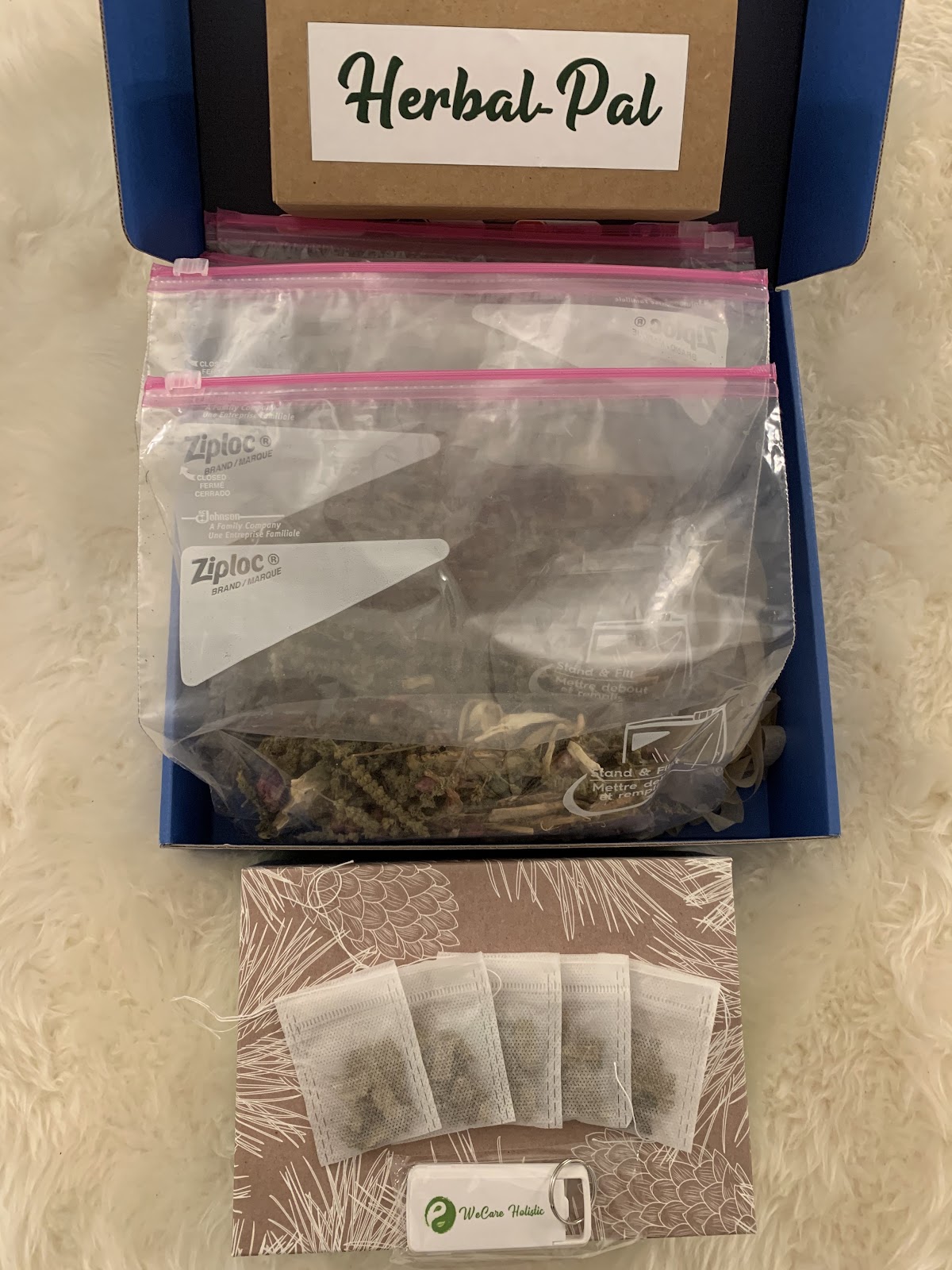
While we do not have a fancy web site or package design ready yet, we have been serving patients recently from consults to herbal medicine (in both cook-at-home prescription or ready-to-eat forms) delivered to their home. Although our services are new, the doctors partnering with us have been serving patients from 10 to 40+ years and herbal medicine has been an important part of Traditional Chinese Medicine for thousands of years. The herbal treasures from ancient wisdom were almost endangered in the overwhelming push of high profit pharmaceutical medicines, but with Herbal-Pal you will experience the value of traditional herbal medicine like many and I have experienced. Some of our partnering doctors provided unpublished data showing the astonishing results from comparison of Herbal Medicine vs. Pharmaceutical Drug in COVID-19 patients in a study in China, and will share them after it becomes public.  


Sample Herbal-Pal box MVP delivered to one of our patient customers. See https://wecareholistic.com/herbal-pal for other photos taken by our doctor teammates.

 
We used feasible clean bags since package design is a lower priority than core value — healing patients, whose demands gave birth to Herbal-Pal, after our efforts in traditional herbal medicine for so long


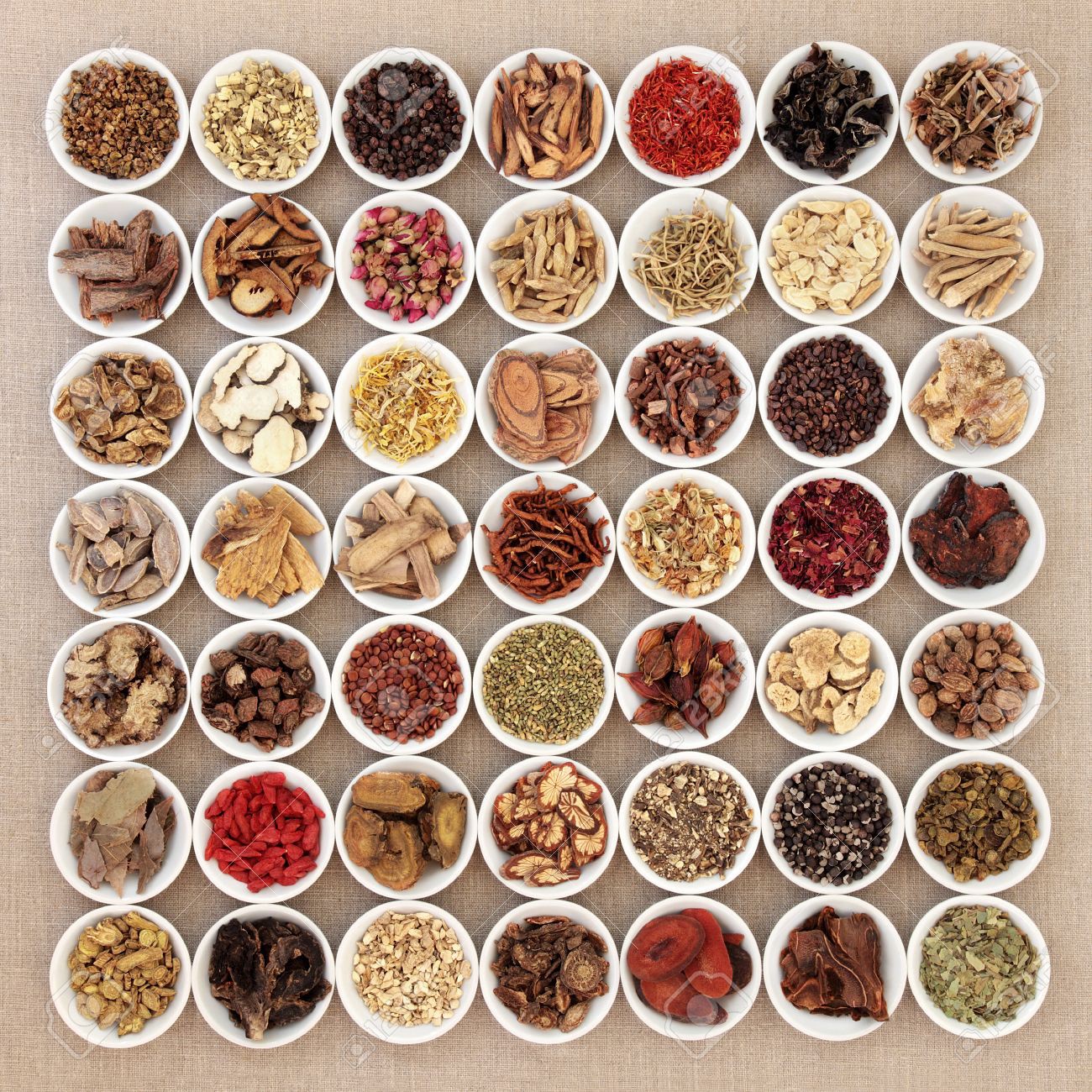
Traditional Chinese herbal medicine ingredients in white china bowls

Friday, February 14, 2020

How Traditional Chinese Medicine Sees Coughing


In traditional Chinese medicine (TCM), coughing indicates abnormal qi activity inside the internal organs, not just the lung system.

TCM believes that the lungs are not only responsible for respiration, but also dominate the qi (vital energy) of the whole body. It inhales pure qi from nature and exhales the impure qi. It also receives nutrient qi from the spleen, combines the nutrient qi with the inhaled qi to form pectoral qi which then enters blood and then is distributed over the body. The different types of qi flow in a specific and coordinated manner, when the qi flows inside the lungs are interrupted, symptoms like coughing, shortness of breath, weakness and even excess sweating will result.
The development of a cough can have external or internal origins. 
1. Invasion of external pathogens
The lungs are situated in the chest; they connect with the throat and open into the nose. Among the five yin organs, the lungs are most vulnerable to external pathogens. Six pathogens (or evils as they are often known in TCM) tend to take advantage of extreme weather changes or temporary bodily weakness, enter the lungs through the openings of the body. They disturb the qi flows of the lungs, cause abnormal secretions in the respiratory tract and thus induce coughing. In most cases, wind evils are the foremost pathogens to invade the lungs, and they usually join up with cold, heat or dryness evils to accomplish the attack. As a result, the cough may present as different types, depending on the seasonal influence. 
2. Internal health problems
Coughing can be caused by dysfunction of the internal organs, such as the lungs themselves or other organs involving the lung.
  • Lung dysfunction that can't maintain the normal qi activities inside the system will have coughing as a major sign of the condition. This usually occurs in chronic lung conditions.
  • Spleen dysfunction: When the spleen is dysfunctional, it cannot transform food and drinks into nutrient essence effectively, there will be inadequate nutrient essence to supply the body and respiratory activity will weaken. A dysfunctional spleen also produces dampness and phlegm that attack the lungs directly, and so cause coughing. This is usually associated with an improper diet and excess alcohol intake.
  • Liver dysfunction: Emotional upset or stress can lead to liver qi stagnation; as time passes the stagnated liver will generate fire. The fire may attack the lungs, transform the lung's fluid into phlegm, interrupt its qi flow and induce coughing.
  • Kidney dysfunction: Normal respiration depends on mutual regulation by the kidneys and the lungs. When the kidneys fail to coordinate the lung's qi exchanging activity, it can lead to respiratory problems.

TCM views on the development of coughing.
Generally, coughs of external origin are usually of acute onset, with known causes and last for a short period; while those caused by internal health problems have a long duration and tend to have flare ups from time to time. No matter what types of cough, effective treatment can only be made by precise diagnosis of the underlying disharmony. During a TCM consultation concerning coughing, the pattern of coughing provides clues to the underlying disharmony.
Differentiation of cough patterns 
Cough patterns Associated TCM disharmonies
A dry coughExcessive dryness or fire accumulated inside the lungs
A productive cough with white and thin mucus as well as a runny noseExternal wind-coldness invasion 
A cough that easily produces sputumExcessive coldness, dampness or phlegm accumulated inside the lungs 
Coughing with yellowish sticky sputum which is difficult to expectorate The lung organ is over-heated
Frequent bouts of coughing Hyperactive fire in the liver and gall bladder
A weak cough with feeble breathing or shortness of breathLung deficiency
A cough that gets better in summer and worsens in winter or cold and windy weather Excess coldness or yang deficiency
A cough that occurs mostly before noonFire in the stomach
A cough that occurs mostly in the afternoon Yin deficiency
A cough that occurs mostly in the evening Yin deficiency leading to virtual fire or
kidney yin deficiency 
A cough that occurs mostly in the morning Spleen deficiency or excess dampness or coldness in the large intestine
A cough with a loud barking sound Yin deficiency of the lungs and kidneys, and the throat is attacked by toxic fire
Differentiation of nasal and throat secretions
Under normal circumstance, nasal and throat secretions are body fluids that are responsible for moistening, nourishing and protecting the regions. When the secretions become abnormal in amount, color or smell, a pathological activity may be present in the regions or corresponding internal organs.
Nature of the secretionsSuggested TCM pathogens or conditions
Scanty amount and sticky Dryness evils
Yellowish and thick Heat evils
Thin and clear or white color Cold evils
Coughing up lumpy mucus Severe heat or body fluid depletion
Foamy Wind evils
White or watery and copious in amount Dampness evils 
Foul smell, yellow-green or tan color Toxic heat evils
Cough up blood that is a bright red colorLung meridian damaged by heat evils
Abnormal taste of the sputum:
- Sweet taste
- Sour-hot taste
- Salty taste

- Spleen over-heated
- Hyperactive liver attacking the lungs
- Kidney deficiency that fails to regulate the water metabolism
Runny nose with a turbid secretionExternal wind-heat invasion
Runny nose with a clear secretionExternal wind-coldness invasion
Persistent runny nose with a turbid secretionNasal sinusitis
Since TCM sees a cough as being potentially related to different organs, TCM physicians look at the particular symptoms accompanying a cough in order to understand and diagnose it accurately. For example, an itchy throat may indicate wind evils attacking the lungs; frequent urination is associated with unconsolidated kidney qi; fatigue suggests there is qi deficiency and a dysfunctional spleen; and virtual fire also leads to hot flushes, night sweats and red cheeks.
A TCM physician does not try to stop or suppress a cough, but rather tries to find its underlying disharmony and how to release it from the body. While it causes discomfort, a cough has a positive aspect since it is the body's attempt to release something that shouldn't be there, such as toxins or energy stagnation.

Sources:
Shen-nong.com
"Chinese Herbal Medicine for Post-infectious Cough: A Systematic Review of Randomized Controlled Trials"
https://www.ncbi.nlm.nih.gov/pmc/articles/PMC3853348/

Monday, January 27, 2020

1+1+1+1>5: Synergy of Chinese Medicine Formula

The Principles of Formula Writing

By Dr. Xiu Ling Ma


Introduction

What is meant by "principles" of writing a formula is mainly the theory of compatibility between the King (principle herb), minister, assistant, and guiding herbs in the herbal formula.

King herb (principle)

A king herb is one which produces the primary effects in treating the cause or the main symptoms of a disease. It dominates the whole formula.

Minster herb

A minister herb has the primary function of helping to strengthen the effect of the king herb and secondarily to treat symptoms that accompany the disease that the king herb is treating.

Assistant herb

The duty of the assistant herb can be divided into three categories.
  1. Assist the king and minister to strengthen their therapeutic effects or treat less important symptoms by its own action.
  2. Reduce or clear away the toxicity of the king and/or minister herbs so as to prevent the appearance of toxic effects or undesired side effects.
  3. Reduce the potential for vomiting in serious cases due to the potent effects of the other herbs. The assistant herb performs this function by opposing the irritating property of the king herb without lowering its therapeutic effects.

Guiding herb

Guiding herbs can be subdivided into two types:
  1. Known as the "medicinal guide" which leads the other herbs in the prescription to the affected site in the body.
  2. Known as "mediating herbs", these herbs which coordinate the effects of the other herbs in the prescription.
The establishment of which herbs play the roles of king (principle), minister, assistant and guiding herbs in a prescription should be based on their respective importance of effect, potency and dosage.
The dosage of an ingredient in a formula is not the only basis for the determination of the king herb. Its usual dosage should be taken as a reference. Metals, stones, shells, and other heavy herbs are not necessarily the king herbs even though they appear to dominate in weight dosage. On the other hand, some poisonous herbs, used in small dosage may be the king herbs rather than minister, assistant or guiding herbs.